
Many homemade lizard repellents fail because they rely on assumptions and lack lasting effects. Ultrasonic devices also show limited scientific backing since lizards depend more on sight and smell than sound. Natural scents like peppermint or eucalyptus oils may reduce lizard presence but require frequent application best lizard repellent. Habitat adjustments—removing clutter and sealing gaps—effectively discourage lizards by limiting shelter and food sources. For persistent issues, professional help often becomes necessary. Further insight clarifies which methods truly manage lizard problems.

Why Most Homemade Lizard Repellents Don’t Work
Why do most homemade lizard repellents fail to deter these reptiles effectively?
Many common DIY solutions rely on assumptions rather than scientific evidence about lizard behavior and sensory triggers igreenasia. These repellents often use ingredients that lack the potency or persistence needed to create an environment lizards find truly unwelcoming.
Additionally, lizards are adaptable creatures; they quickly acclimate to non-threatening stimuli, rendering many homemade mixtures ineffective over time. Without understanding lizard habits or the precise factors that influence their presence, such repellents offer only temporary or negligible results.
For those seeking freedom from intrusive lizards, relying on unverified home concoctions often leads to frustration. Effective deterrence requires interventions grounded in lizard biology rather than trial-and-error remedies that fail to address the root causes of their attraction.
How Natural Scents Can Help Keep Lizards Away
Through the strategic use of natural scents, it is possible to create an environment that lizards find unappealing. Certain essential oils—such as peppermint, eucalyptus, and citronella—emit strong odors that lizards tend to avoid. Applying these oils around entry points or areas where lizards frequent can reduce their presence without harmful chemicals.
Additionally, placing fresh garlic, onion slices, or coffee grounds in corners may deter lizards due to their pungent smells. These natural methods provide an eco-friendly approach, supporting the desire for a living space free from artificial repellents.
However, consistency is key; scents need regular replenishing to maintain effectiveness. While not foolproof, natural scents offer a non-invasive option to discourage lizards, enhancing personal freedom from unwanted pests in a safe, respectful manner.
Do Ultrasonic Devices Really Repel Lizards?
While natural scents offer a chemical-free method to discourage lizards, many seek alternative solutions that promise greater convenience and effectiveness. Ultrasonic devices claim to repel lizards by emitting high-frequency sounds inaudible to humans but disruptive to pests. However, scientific evidence supporting their effectiveness against lizards is limited and inconclusive.
Lizards rely more on sight and smell than hearing, reducing the likelihood that ultrasonic waves influence their behavior notably. Additionally, lizards may become habituated to the sound over time, diminishing any initial deterrent effect. Consequently, while ultrasonic devices may appeal due to ease of use, they should not be relied upon as a primary method for controlling lizard presence. Practical strategies tailored to lizard behavior remain more dependable for those seeking genuine freedom from unwanted reptilian visitors.
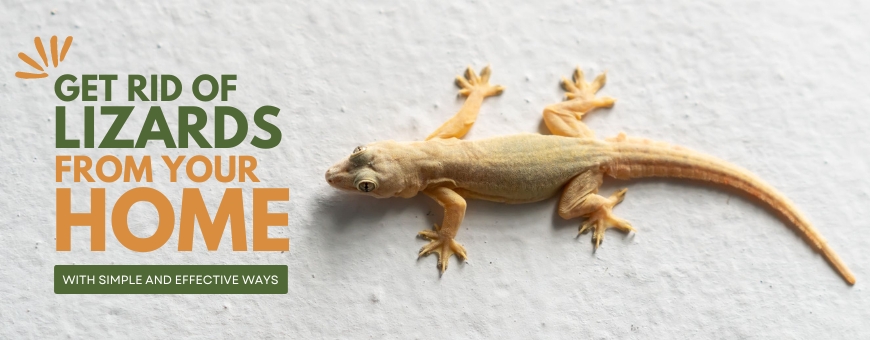
Effective Habitat Changes to Discourage Lizards
By altering the environment to eliminate shelter and food sources, lizard presence can be markedly reduced.
Effective habitat changes focus on making outdoor and indoor areas less inviting to lizards, promoting natural freedom from unwanted visitors.
Key strategies include:
- Remove debris and clutter that provide hiding places.
- Seal cracks and gaps in walls, doors, and windows.
- Minimize outdoor lighting that attracts insects, a primary lizard food source.
- Keep vegetation trimmed and away from building foundations.
These measures disrupt the conditions lizards rely on, encouraging them to seek habitats elsewhere.
Implementing such changes guarantees a less hospitable environment without relying on chemical repellents or devices, aligning with the desire for a natural, unobstructed living space.
When to Call a Professional for Lizard Control
In cases where lizard infestations persist despite habitat modifications, professional intervention may become necessary.
Persistent lizard presence can indicate underlying issues that require expert assessment. Pest control professionals offer targeted solutions that go beyond typical DIY methods, ensuring effective and lasting results. They can identify entry points, treat hidden nesting areas, and apply safe repellents or exclusion techniques tailored to specific environments.
Additionally, professionals help maintain freedom from recurring disturbances by providing ongoing monitoring and maintenance plans. Calling a professional becomes especially important when lizards pose health risks, damage property, or when non-toxic control methods have failed.
Opting for expert assistance balances the desire for a lizard-free space with responsible, effective pest management strategies that respect both human comfort and ecological considerations.
Conclusion
While many homemade lizard repellents lack scientific backing, certain natural scents like garlic or pepper may offer limited deterrence. Ultrasonic devices, despite claims, generally prove ineffective. More reliable results come from altering habitats—removing food sources, sealing entry points, and reducing shelter opportunities. For persistent or large infestations, professional intervention is advisable. Understanding what truly works helps prevent wasted effort and promotes effective, humane lizard control.
…